
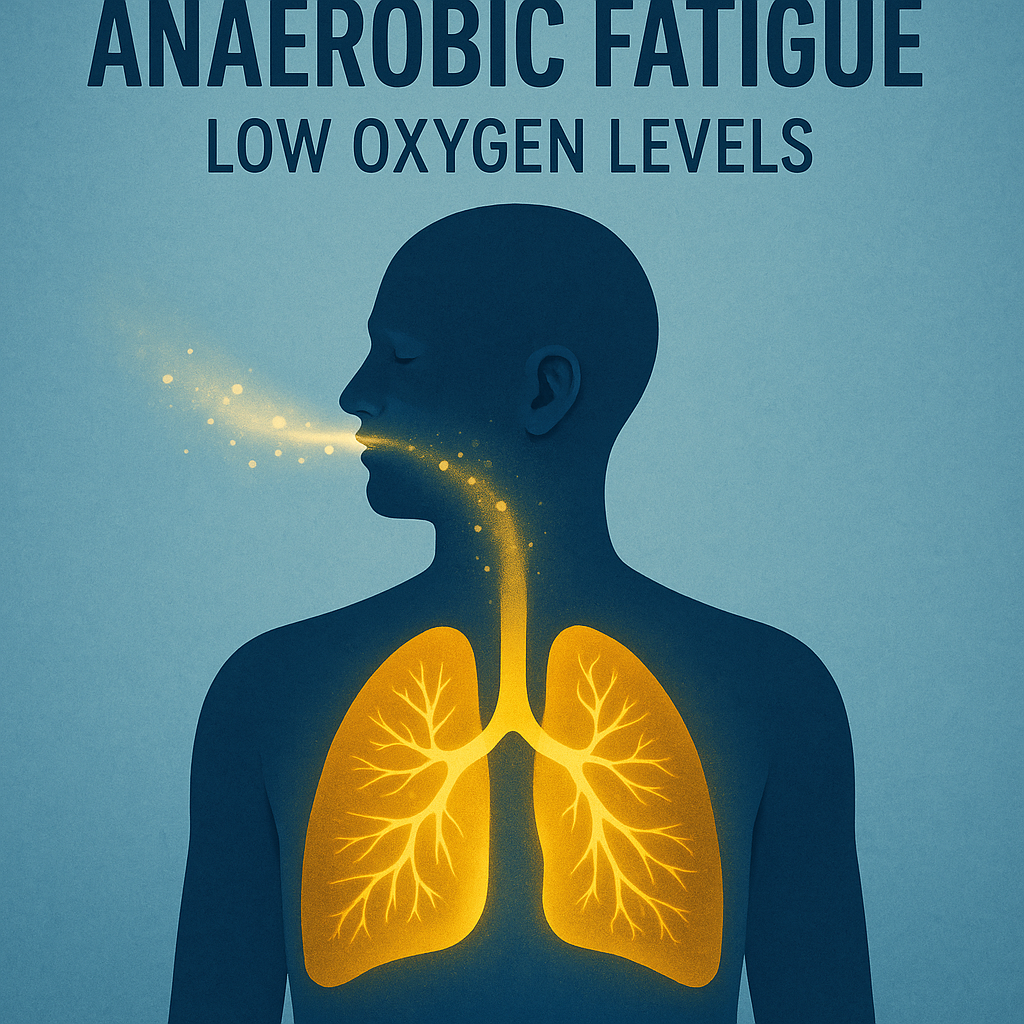
Anaerobic Fatigue and Low Oxygen: A Natural Hygiene Perspective on Energy, Breathing and Circulation
Oxygen is essential to human life because most sustained ATP production depends on oxidative metabolism. But ordinary tiredness does not necessarily mean the blood or tissues are starved of oxygen. Fatigue can arise from sleep loss, overexertion, undernutrition, anaemia, illness, stress, medication, metabolic problems and many other causes.
Natural Hygiene is right to emphasise breathing, circulation, movement, rest and the conditions surrounding cellular function. The important distinction is between actual impaired oxygen delivery and the much broader experience of feeling low in energy.
What “Anaerobic” Actually Means
Cells continually make ATP through several metabolic pathways. During sufficiently intense muscular work, the rate of ATP demand can exceed what oxidative metabolism alone can immediately provide. Glycolysis then contributes more heavily, with lactate production helping rapid energy turnover.
This is normal physiology, not evidence that the whole body has become toxic or is suffocating. Lactate is also not simply an acidic waste product: it can be transported and reused as fuel by other tissues.
Oxygen Delivery Is a Whole-System Process
Getting oxygen to tissues depends on ventilation, gas exchange in the lungs, haemoglobin in red blood cells, heart function, blood flow and the ability of tissues to use oxygen. A problem at any of these stages can affect exercise tolerance and energy.
This gives Natural Hygiene’s emphasis on the whole terrain a useful physiological foundation. The lungs cannot be considered separately from the blood, heart, circulation, nutrition and cellular metabolism.
Low Oxygen Is Not the Same as Fatigue
True hypoxaemia means abnormally low oxygen in arterial blood and can occur with significant lung, airway, circulatory or other medical problems. Anaemia is different again: oxygen saturation can appear normal while there is too little haemoglobin available to carry an adequate total amount of oxygen.
By contrast, a tired person with healthy lungs, circulation and haemoglobin will often already have well-saturated arterial blood. Simply taking bigger breaths does not necessarily deliver substantially more oxygen to those tissues.
Breathing, Carbon Dioxide and Regulation
Breathing affects more than oxygen. Carbon dioxide is tightly linked to blood pH and cerebral blood flow. Excessive breathing can lower carbon dioxide too far, producing light-headedness, tingling, chest sensations and feelings of unreality even while oxygen saturation remains normal.
Slow, comfortable nasal or diaphragmatic breathing can help some people regulate arousal and reduce unnecessary overbreathing. Its benefit does not depend on flooding oxygen-starved cells or permanently alkalising the blood. Blood pH is tightly controlled by the lungs, kidneys and chemical buffering systems.
Does “Toxic Blood” Block Oxygen?
Classical Natural Hygiene often describes toxaemia as interfering with normal cellular conditions. NBI retains toxaemia as a broad model of internal burden, but ordinary cooked or processed food does not physically displace oxygen from the bloodstream.
Blood viscosity is real and is influenced by factors such as red-cell concentration, plasma proteins, temperature and hydration. Dehydration can reduce plasma volume and produce haemoconcentration. Water-rich fruit can therefore contribute usefully to hydration, but this is different from saying fruit carries oxygen into the blood or cleans away material that is blocking oxygen.
Movement and Oxygen Use
Regular movement creates adaptations in the cardiovascular system, muscles and mitochondria that can improve the body’s ability to deliver and use oxygen during activity. Walking and other appropriate exercise also support circulation and can assist lymph movement through muscular contraction.
For someone who is already exhausted or unwell, however, more exercise is not automatically better. Natural Hygiene’s principle of Vital Economy asks whether the activity is an appropriate demand for the person’s present capacity.
Food, Iron and Cellular Energy
Food supports energy metabolism by supplying carbohydrate, fats, amino acids, vitamins and minerals. Iron is especially relevant to oxygen transport because it is required for haemoglobin, while vitamin B12, folate and other nutrients contribute to healthy red-blood-cell production.
Fresh fruit and vegetables provide water, carbohydrate, potassium, vitamin C and many other nutrients. Their value does not depend on neutralising acids in the blood or carrying oxygen directly to cells.
Rest, Enervation and Vital Economy
One of Natural Hygiene’s strongest observations is that fatigue should not automatically be treated as an enemy to overpower. Fatigue can contain useful information about sleep, workload, nutrition, physical health or recovery.
The concept of enervation can be understood as a persistent mismatch between demand and recovery rather than literal depletion of oxygen or a measurable reservoir of nerve force. Rest may therefore be appropriate even when oxygen levels are completely normal.
Fresh Air, Daylight and Nature
Fresh outdoor air matters particularly when indoor air is poorly ventilated or contains smoke or pollutants. Daylight helps regulate circadian rhythm, and being outdoors often encourages movement and can reduce psychological and sensory load.
These are valuable Natural Hygiene practices without needing to describe oxygen as a special energetic frequency or sunlight as increasing oxygen absorption.
When Low Oxygen Needs Investigation
Persistent unexplained breathlessness, blue or grey lips, fainting, chest pain, severe weakness, confusion or genuinely low oxygen readings should not simply be interpreted as a cleansing response. They can indicate problems with the lungs, heart, blood or circulation that need assessment.
The Natural Hygiene Interpretation
Natural Hygiene places breathing within a larger picture: clean air, movement, circulation, nourishment, hydration, rest and appropriate use of energy all help create the conditions in which cellular metabolism functions well.
The distinction is important. Oxygen is indispensable, but fatigue is not automatically oxygen starvation. Rather than assuming every tired person needs deeper breathing, the Natural Hygiene approach can ask what is limiting energy production, delivery or recovery in that particular person.