
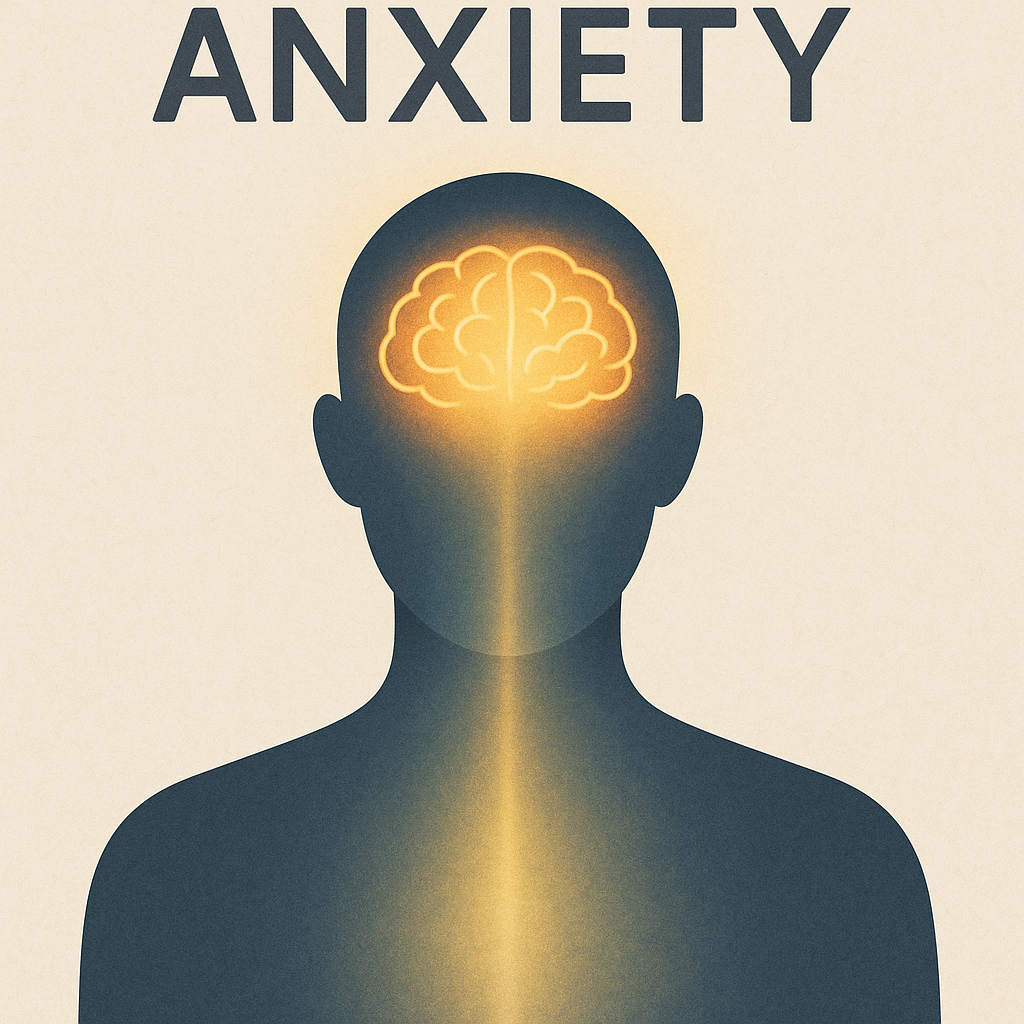
Anxiety: When the Body and Mind Fall Out of Rhythm
Anxiety is experienced mentally and physically at the same time. Racing thoughts can accompany a pounding heart, muscle tension, sweating, trembling, digestive changes, chest tightness, dizziness or a strong sense that something is wrong. This makes anxiety a particularly clear example of why Natural Body Intelligence does not separate “mind” from “body”.
Natural Hygiene looks beyond the label and asks about the terrain: sleep, stimulation, stimulants, nourishment, breathing patterns, physical health, stress, relationships, environment and the demands being placed upon the nervous system.
The Stress Response Is Real Physiology
When the brain detects threat or uncertainty, autonomic and hormonal systems can change heart rate, breathing, blood-vessel tone, digestion, muscle tension and attention. These changes are designed to prepare the organism to respond.
This gives an important Natural Hygiene observation a firm biological foundation: anxiety is not simply a defective thought floating separately from the body. It can involve a whole-body state of heightened readiness.
However, it does not follow that every episode of anxiety is deliberately created to force rest, or that anxiety has one universal cause. Anxiety can arise in many different circumstances and can sometimes persist even when the original trigger is no longer present.
Enervation and Overstimulation
Natural Hygiene uses enervation to describe a situation in which repeated demands are not being matched by sufficient recovery. Poor sleep, relentless work, continual digital stimulation, emotional strain and heavy stimulant use can all leave a person feeling simultaneously exhausted and unable to settle.
This “tired but wired” experience fits well with the NBI concept of Vital Economy. Enervation is not a literal empty battery of nerve force, but it is a useful way of asking whether the person’s current demands continually exceed their opportunity to recover.
Stimulants and the Anxiety Terrain
Caffeine can increase alertness and, particularly at higher doses or in sensitive people, can increase jitteriness, palpitations and anxiety. Nicotine also affects autonomic and cardiovascular activity. Alcohol may initially feel calming but can disrupt sleep and produce rebound effects as it wears off.
Natural Hygiene therefore has good reason to examine stimulants when someone feels chronically overactivated. This is more precise than saying stimulants simply “use up nerve energy” or contaminate the blood.
Breathing: Carbon Dioxide Matters Too
Anxiety can change breathing, and breathing can change bodily sensations. Rapid or excessive breathing can lower carbon dioxide in the blood, which may contribute to light-headedness, tingling, chest sensations and feelings of unreality. These sensations can then feed further anxiety.
Ordinary shallow breathing does not generally mean the brain is being starved of oxygen. Slow, comfortable breathing can nevertheless help some people reduce physiological arousal. Its effect is better understood through respiratory chemistry and autonomic regulation than through the idea that extra oxygen “cleanses” toxic blood.
Food, Hydration and Physical Causes
Irregular eating, stimulant use, dehydration and nutritional problems can influence how someone feels. Thyroid disorders, anaemia, medication effects, heart-rhythm disturbances and other physical conditions can also produce sensations that resemble or intensify anxiety.
NBI favours simple, minimally processed foods and abundant fresh plant foods. Whole fruit contributes water, carbohydrate, potassium, vitamins, fibre and phytochemicals. These support general physiology, but food does not need to “alkalise the blood” to explain its nutritional value; blood pH is tightly regulated by the lungs, kidneys and buffering systems.
Rest, Movement and Nervous-System Regulation
Sleep and regular circadian timing matter because an exhausted brain can become more reactive to threat and stress. Gentle movement can also provide an outlet for physiological arousal and support sleep, cardiovascular function and confidence in bodily sensations.
The Natural Hygiene aim is not simply to suppress anxiety but to reduce unnecessary demands and create conditions in which the nervous system no longer needs to remain continually activated.
Fasting and Anxiety
Fasting changes blood glucose, insulin, fuel use, blood pressure and fluid balance. Some people report mental clarity during fasting; others become more anxious, weak, dizzy or uncomfortable. Natural Hygiene interprets fasting as physiological rest, but anxiety occurring during a fast should not automatically be labelled toxic waste leaving the nervous system.
Emotion and the Wider Environment
Fear, grief, conflict, uncertainty, trauma and chronic pressure can all shape the nervous system’s expectations of safety and threat. Giving emotions space rather than continually avoiding them may be valuable, but emotions are not literal toxic substances that must be discharged from the tissues.
Relationships, workload, finances, environment and the amount of control someone has over their life can therefore be as relevant to the terrain as food and exercise.
The Natural Hygiene Interpretation
Natural Hygiene is at its strongest when it treats anxiety as information rather than an enemy. The body may be signalling excessive stimulation, inadequate recovery, unresolved threat or another physical or psychological influence that deserves attention.
The important distinction is that a symptom can contain useful information without being automatically beneficial or having only one cause. Persistent or disabling anxiety deserves proper assessment while the wider terrain is improved at the same time.
Related Reading
Natural Hygiene foundation: Vital Economy, rest and nervous-system recovery