
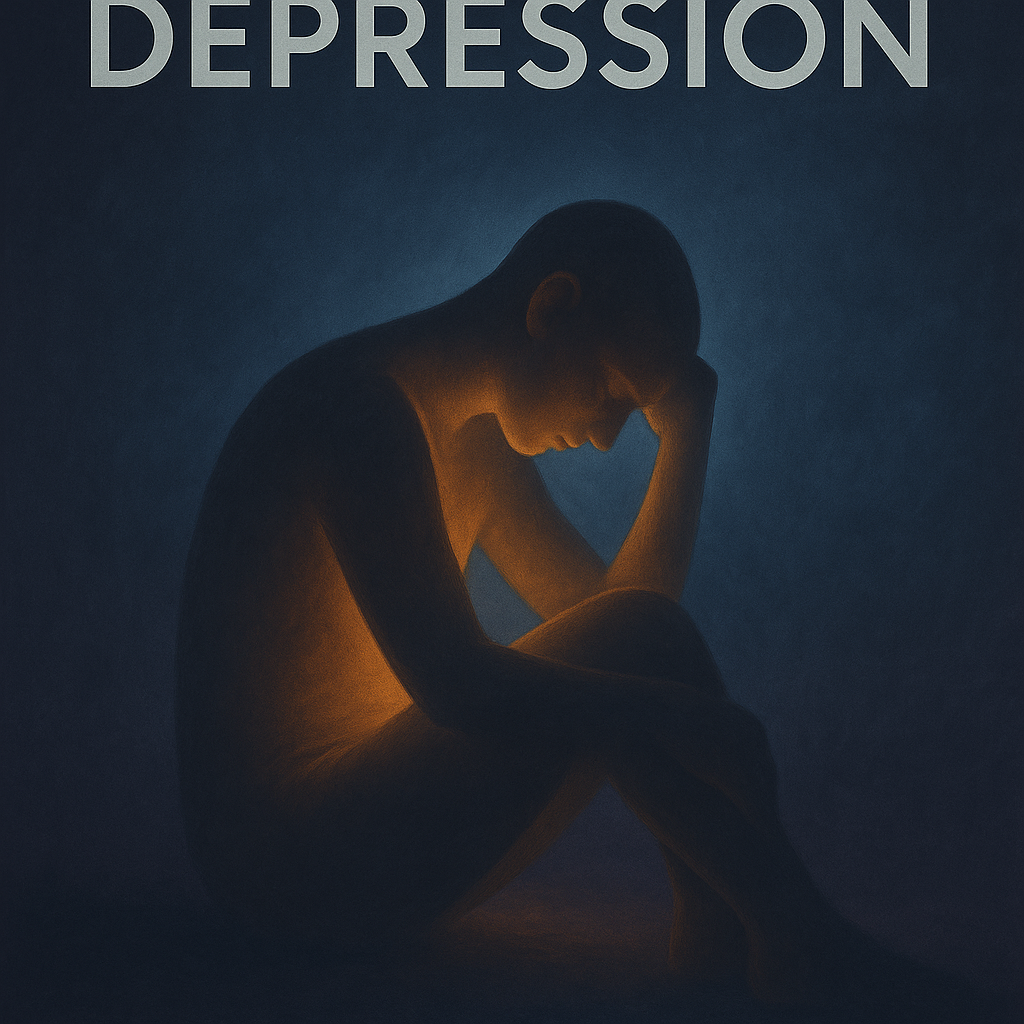
Depression: A Natural Hygiene Perspective on Mood, Enervation and the Whole Terrain
Depression can involve persistent low mood, loss of interest, fatigue, changes in sleep and appetite, difficulty concentrating, hopelessness and withdrawal from ordinary life. Natural Body Intelligence approaches it through the whole terrain: sleep, nourishment, activity, physical health, nervous-system load, relationships, environment, purpose, loss, stress and lived experience.
Mood Is a Whole-Body Experience
Mood emerges from a brain connected continuously with the endocrine system, autonomic nervous system, circulation, metabolism and the rest of the body. Depression therefore cannot sensibly be reduced either to “just thoughts” or to one simple chemical imbalance.
Natural Hygiene’s terrain model has a useful place here because the conditions surrounding the nervous system matter. That does not establish that depression is caused by toxic blood, inadequate brain oxygen or a depleted store of life force.
Enervation and Vital Economy
Natural Hygiene uses enervation to ask whether prolonged demands have exceeded a person’s opportunity for recovery. Poor sleep, relentless work, caring responsibilities, chronic conflict, grief, illness, isolation and continual stimulation can all increase demand.
The Law of Vital Economy adds the idea that capacity is limited at any particular moment. When someone is profoundly exhausted, reducing unnecessary demand can be valuable. But depression should not automatically be described as the body deliberately shutting a person down so that healing can begin.
Rest Without Assuming Withdrawal Is Healing
Sleep and genuine rest can be important when someone is exhausted. At the same time, prolonged isolation, inactivity and loss of routine can worsen depression for some people. The appropriate balance may involve rest alongside daylight, gentle movement, supportive relationships and gradually re-engaging with meaningful activity.
A symptom can contain information without every behaviour it produces being beneficial.
Food, Hydration and the Terrain
Adequate energy, protein, essential fats, vitamins, minerals and hydration support normal brain and whole-body function. Fresh fruit and vegetables can contribute water, carbohydrate, micronutrients, fibre and phytochemicals. Their value does not depend on claiming that raw food increases nerve conductivity or removes emotional toxins.
Major restriction or prolonged fasting is not automatically restorative in depression, particularly where appetite and body weight are already low.
Movement, Daylight and Rhythm
Regular daylight helps organise circadian rhythm, while movement can support sleep, physical health and mood. Time outdoors may also reduce sensory overload and provide a change of environment. These are genuine physiological and psychological influences without needing to describe sunlight or deep breathing as directly replenishing life force.
Emotion, Congruence and Environment
NBI places value on congruence: whether the way someone is living repeatedly conflicts with their values, needs or circumstances. Loss, loneliness, conflict, chronic pressure and feeling trapped can profoundly affect wellbeing, while connection, meaningful activity, creativity and agency may form part of recovery.
Giving emotion space can be valuable, but tears and emotional expression should not be described as physically clearing toxins from the nervous system.
The Observation and the Interpretation
The observation is that depression can involve changes across sleep, appetite, activity, cognition, motivation, stress physiology and social behaviour. Natural Hygiene interprets this within the wider terrain of enervation, recovery, nourishment, rhythm, stimulation and environment.
What goes beyond the evidence is claiming that depression is necessarily a purposeful healing shutdown or that surrendering to withdrawal will inevitably restore health. The terrain matters, but depression has multiple possible contributors and deserves to be understood in the individual person.
Severe depression, inability to function, or thoughts of self-harm or suicide require prompt professional support.
Related Nervous-System Reading
Natural Hygiene foundation: Vital Economy and nervous-system load