
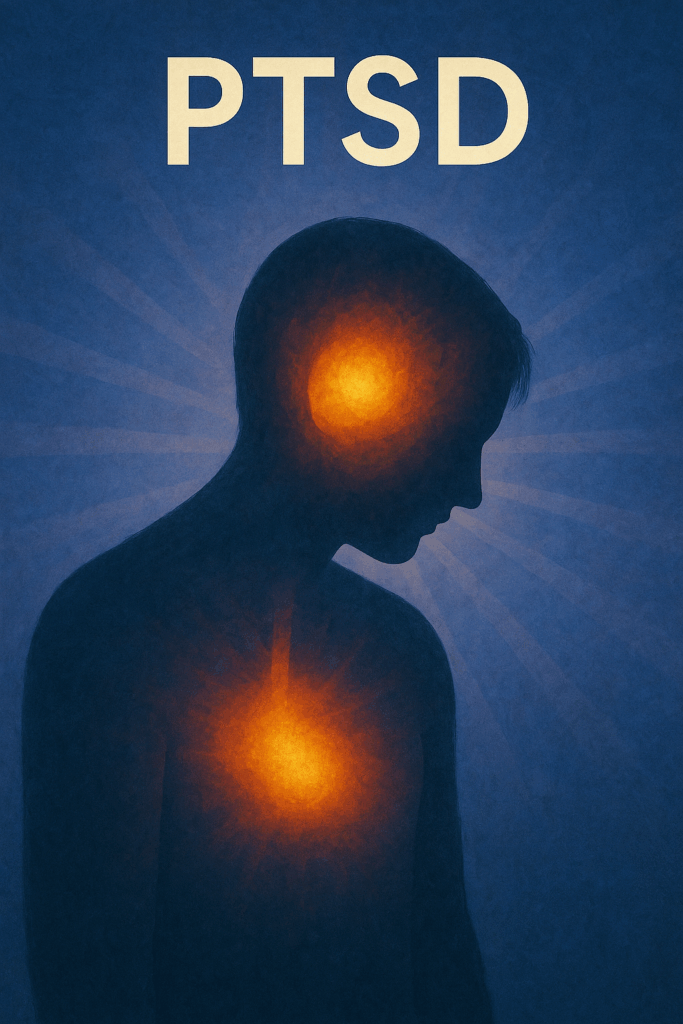
PTSD: A Natural Hygiene Perspective on Safety, Adaptation and Nervous-System Recovery
Post-traumatic stress disorder (PTSD) can develop after experiencing or witnessing events involving severe threat, injury, violence or other overwhelming circumstances. Symptoms can include intrusive memories, nightmares, avoidance, hypervigilance, exaggerated startle responses, disturbed sleep, emotional changes and strong physical reactions to reminders of what happened.
Natural Body Intelligence approaches PTSD with an important starting point: many of these reactions make more sense when understood as protective systems continuing to respond as though danger may still be present.
The Survival Response Is Real Physiology
During threat, the brain and body can rapidly change attention, heart rate, breathing, muscle tension, stress hormones and readiness for action. These responses can support fighting, fleeing, freezing or other survival behaviours.
After trauma, cues associated with the event can sometimes trigger powerful reactions even in objectively safer circumstances. This gives the Natural Hygiene idea of the body attempting to protect the person a genuine physiological foundation.
The important distinction is that a response can have originated as protection while becoming distressing, limiting or poorly matched to the present environment. “Protective” does not mean harmless or that nothing should be done.
The Nervous System Is Not Simply “Stuck”
It is common to describe PTSD as the nervous system being stuck in fight-or-flight. That is a useful shorthand, but the biology is more complex. Memory, threat learning, attention, autonomic regulation, sleep and hormonal responses can all be involved, and people may move between heightened arousal, avoidance, emotional numbing and periods of relative calm.
NBI therefore treats “stuck survival mode” as an explanatory model rather than a literal description of one switch that has failed to turn off.
Safety Changes the Terrain
Recovery is difficult when threat is ongoing. Housing insecurity, abusive relationships, financial pressure, unsafe work, chronic conflict or repeated exposure to reminders of danger can continue to place demands on the person.
This is where the Natural Hygiene concept of terrain becomes especially useful. The terrain is not merely food and internal chemistry; it includes the environment in which the nervous system is being asked to operate.
Sleep, Enervation and Recovery
Sleep disturbance is common in PTSD. Nightmares, vigilance and difficulty settling can reduce restorative sleep, while sleep loss can make emotional regulation and threat responses harder the following day.
Natural Hygiene describes repeated demand without adequate recovery as enervation. PTSD provides a useful example: the nervous system may repeatedly expend resources responding to perceived danger while poor sleep reduces the opportunity for recovery. Enervation is a practical framework here, not a literal depletion of a measurable “nerve-energy” substance.
The Body Can Carry the Effects of Trauma
Trauma can have physical consequences. Muscle tension, headaches, digestive disturbance, fatigue, altered breathing and autonomic symptoms may accompany PTSD. The brain, gut, endocrine system and autonomic nervous system continually interact.
This does not mean traumatic memories or emotions are physically stored as toxins in muscles or organs. The body can retain learned patterns of response without emotions becoming literal substances that need to be detoxified.
Food, Stimulants and the Internal Terrain
Adequate nourishment and hydration support general nervous-system function. Caffeine and other stimulants can increase jitteriness, palpitations and sleep difficulty in some people, while alcohol can disrupt sleep despite initially feeling sedating.
NBI favours simple, minimally processed food and abundant fresh plant foods. Whole fruit contributes water, carbohydrate, potassium, vitamins, fibre and phytochemicals. This supports the wider terrain, but “clean food” does not erase traumatic learning or purify PTSD from the nervous system.
Breathing and Regulation
Slow, comfortable breathing can influence autonomic activity and may help some people settle physiological arousal. The benefit does not depend on flooding the blood with extra oxygen; blood oxygen is normally already tightly regulated. Avoiding overbreathing can also prevent the fall in carbon dioxide that contributes to dizziness, tingling and other uncomfortable sensations.
Movement, Nature and Choice
Walking, appropriate exercise, daylight and time outdoors can support sleep, physical health and regulation. For someone whose sense of control was overwhelmed by trauma, choice matters. Supportive practices are more useful when they increase agency rather than becoming another set of demands the person must obey.
The Natural Hygiene Interpretation
PTSD illustrates one of the strongest ideas within Natural Body Intelligence: a symptom can be understood partly through what the organism is trying to protect against. Hypervigilance, avoidance and startle responses are not random defects; they can be understood in the context of learned danger and survival.
But understanding the original purpose of a response is not the same as assuming it will disappear through rest, fasting or detoxification. Recovery may involve safety, sleep, nourishment, supportive relationships, gradual relearning of safety and appropriate trauma-focused psychological care. The aim is to help the nervous system respond increasingly to the conditions of the present rather than repeatedly to the dangers of the past.
Toxaemia, Enervation and Vital Economy
Natural Hygiene’s enervation and Vital Economy concepts can describe the very real burden of hyperarousal, poor sleep and continual vigilance on present capacity. Toxaemia is best used here as part of the person’s wider physiological terrain rather than as a claim that trauma leaves literal toxins stored in the nervous system.
The Observation and the Interpretation
The observation is persistent alteration in threat processing, arousal, memory, avoidance and emotional regulation after trauma. Natural Hygiene interprets this within the wider terrain of safety, sleep, nourishment, stimulation, relationships, enervation and recovery.
What goes beyond the evidence is describing traumatic memories or emotions as physical toxins that must be detoxified from tissues. The protective response has understandable biology, while recovery may require both healthier conditions and specific trauma-focused support.
Related Trauma & Nervous-System Reading
Natural Hygiene foundation: Vital Economy, rest and nervous-system recovery
Natural Hygiene foundation: Vital Economy, rest and nervous-system recovery