
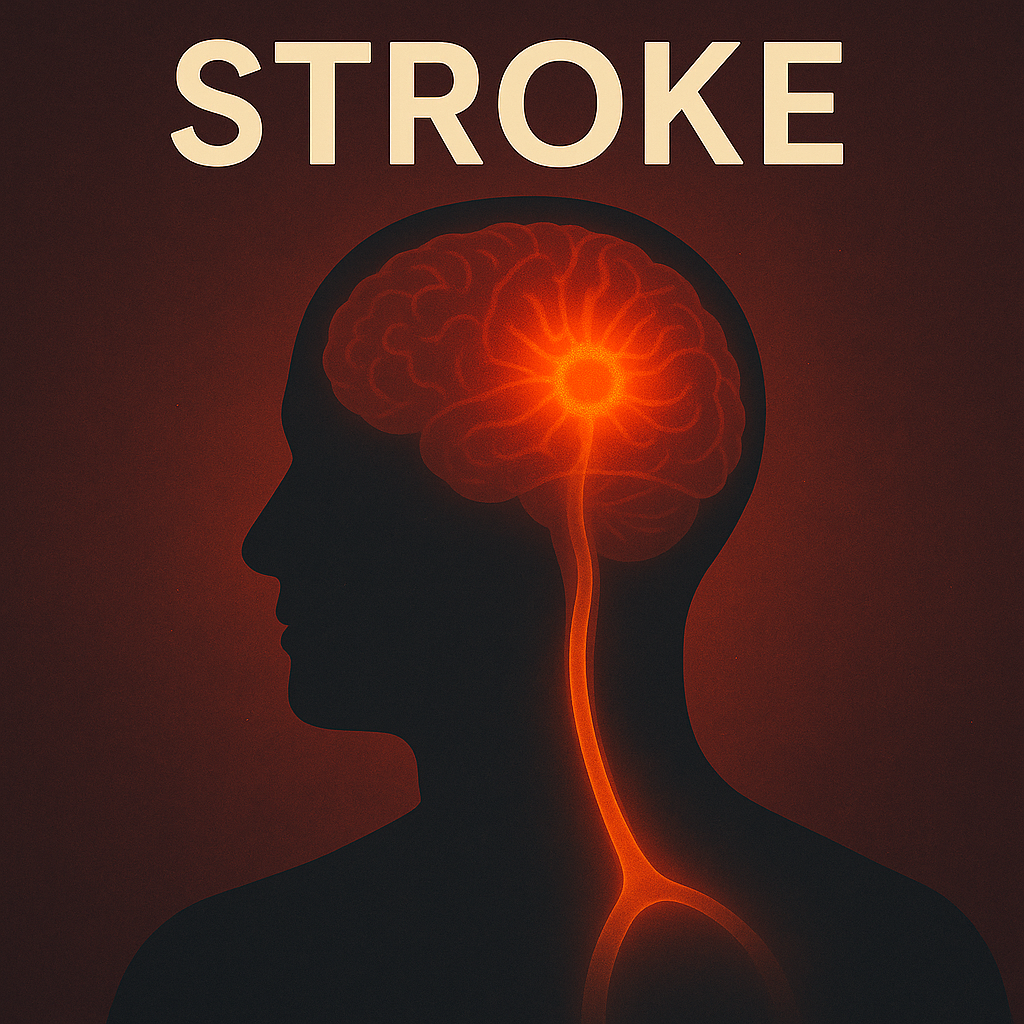
Stroke: A Natural Hygiene Perspective on Circulation, Terrain and Recovery
A stroke occurs when blood supply to part of the brain is interrupted by a blockage or when a blood vessel in the brain ruptures. It is a medical emergency because brain tissue can be damaged rapidly. Natural Hygiene adds a wider question: what long-term conditions have affected the person’s circulation, blood vessels and overall terrain?
The Natural Hygiene View
Natural Hygiene rarely views chronic disease as appearing in isolation. It looks at years of diet, movement, sleep, stress, smoking, alcohol, stimulation, hydration, body composition and other influences on the internal environment. Within this framework, toxaemia and enervation describe accumulated physiological burden and reduced functional energy, while vital economy emphasises using the body’s resources wisely.
For circulation, the condition of the blood vessels and the terrain in which they function matter enormously. Natural Hygiene therefore emphasises removing ongoing burdens and creating conditions that support healthy circulation rather than treating a stroke as an isolated event with no history behind it.
A Stroke Is an Emergency
The Natural Hygiene belief that the body is self-regulating should not be interpreted to mean that a stroke itself is a beneficial cleansing event. A blocked or ruptured blood vessel can damage brain tissue, and rapid treatment can materially affect the outcome.
Remember FAST: facial weakness, arm weakness and speech problems mean it is time to call emergency services immediately. Sudden loss of vision, severe unexplained headache, new confusion, loss of balance or sudden one-sided numbness can also be warning signs.
Natural Hygiene After the Emergency
Once medically stable, the wider Natural Hygiene questions become highly relevant: What can be changed about food quality, smoking, alcohol, sleep, stress, activity and other cardiovascular pressures? Rehabilitation, adequate nourishment, rest and progressively appropriate movement can all contribute to recovery.
Fasting is not an emergency treatment for suspected stroke and should not delay urgent care. Medicines prescribed after a stroke should not be stopped without appropriate clinical guidance.
The Body’s Response Is Not the Same as the Stroke
This distinction is important in Natural Hygiene. The stroke itself is damage caused by interrupted blood flow or bleeding; it should not be called a cleansing event. But the body immediately mounts organised responses around that damage, including changes in circulation, inflammation, repair and later neurological adaptation.
Natural Hygiene can therefore maintain its principle of self-regulation without describing the damaging vascular event as beneficial. Its terrain argument belongs especially to the conditions that preceded the stroke and the recovery processes that follow it.
Toxaemia, Vital Economy and Vascular Terrain
Natural Hygiene’s toxaemia concept can be applied to the long-term cardiovascular terrain — smoking, alcohol, metabolism, nourishment, blood pressure, movement and other exposures. Vital Economy becomes especially relevant during rehabilitation, when demand needs to match remaining neurological and physical capacity.
The Observation and the Interpretation
The observation is sudden brain injury caused by interrupted blood flow or bleeding. Natural Hygiene interprets the conditions surrounding risk and recovery through circulation, terrain, nourishment, movement, enervation and self-regulation.
What goes beyond the evidence is calling the stroke itself a cleansing event or assuming fasting can reopen an obstructed artery. The damaging vascular event and the body’s subsequent organised repair response are different things.
Continue Exploring Natural Hygiene
- Heart Disease
- High Blood Pressure
- What Is Enervation?
- Toxaemia: The Root of Disease
- What Is Natural Hygiene?