The Liver: Processing, Transformation and the Natural Hygiene Terrain
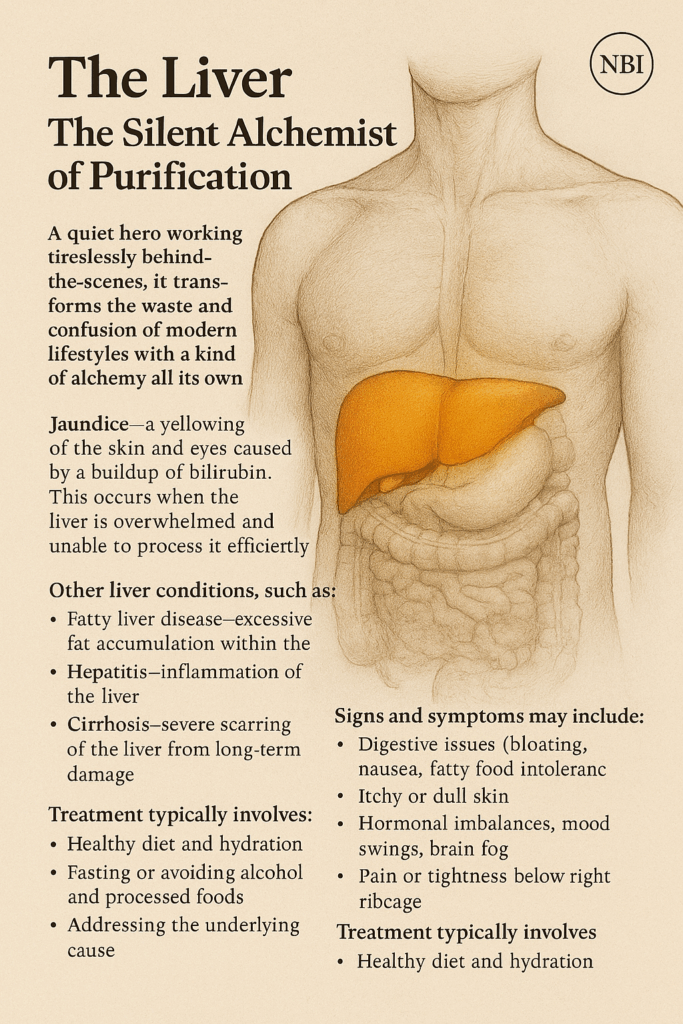
The liver is one of the body’s major centres of chemical processing. Blood arriving from the digestive tract carries nutrients and absorbed substances to the liver, where they can be stored, transformed, redistributed or prepared for elimination. The liver also produces bile, regulates fuels, processes hormones and medicines and helps convert potentially harmful compounds into forms the body can handle.
This provides a strong physiological foundation for Natural Hygiene’s emphasis on internal terrain and elimination. The body really is continually transforming the products of metabolism and substances entering from outside.
What “Detoxification” Means in the Liver
Liver enzymes chemically modify many substances. Some products are then excreted in bile and ultimately faeces, while others become water-soluble and can be removed through the kidneys. Detoxification here is therefore not a vague metaphor: it includes identifiable biochemical pathways.
Natural Hygiene extends this into the broader concept of toxaemia: the idea that health deteriorates when the total burden created by metabolism, exposures and unhealthy living exceeds the body’s capacity to process, regulate and eliminate it. That broader interpretation should be distinguished from a diagnosis that the liver is literally “clogged” with unspecified toxins.
Jaundice Is an Important Signal
Jaundice occurs when bilirubin accumulates in the blood and tissues. This can happen for different reasons, including increased red-cell breakdown, impaired liver processing or obstruction of bile flow. It is a powerful example of how visible symptoms can communicate internal physiology, but it should not automatically be interpreted as a benign cleansing response.
Food, Alcohol and Metabolic Terrain
The liver responds to the nutrients and chemicals reaching it. Alcohol can directly injure liver tissue, while excess energy intake and metabolic dysfunction can contribute to fat accumulation in the liver. Whole plant foods, including water-rich fruit and vegetables, contribute fluid, carbohydrate, fibre, vitamins, minerals and phytochemicals within the wider dietary pattern.
Hydration supports blood volume and kidney elimination. Water-rich fruit can therefore contribute meaningfully to hydration and the overall conditions in which processing and elimination occur, without needing to describe fruit as literally washing the liver or blood clean.
Fasting and the Liver
During fasting the liver remains extremely active. It releases stored glycogen, produces glucose, processes fatty acids and later produces ketone bodies. Natural Hygiene’s idea of physiological rest can still apply because digestion and continual food intake cease, but the liver does not switch off to concentrate solely on cleansing.
Prolonged fasting is not automatically appropriate in liver disease, malnutrition or serious illness. Yellowing of the skin or eyes, very dark urine, pale stools, confusion or significant abdominal swelling deserve assessment.