
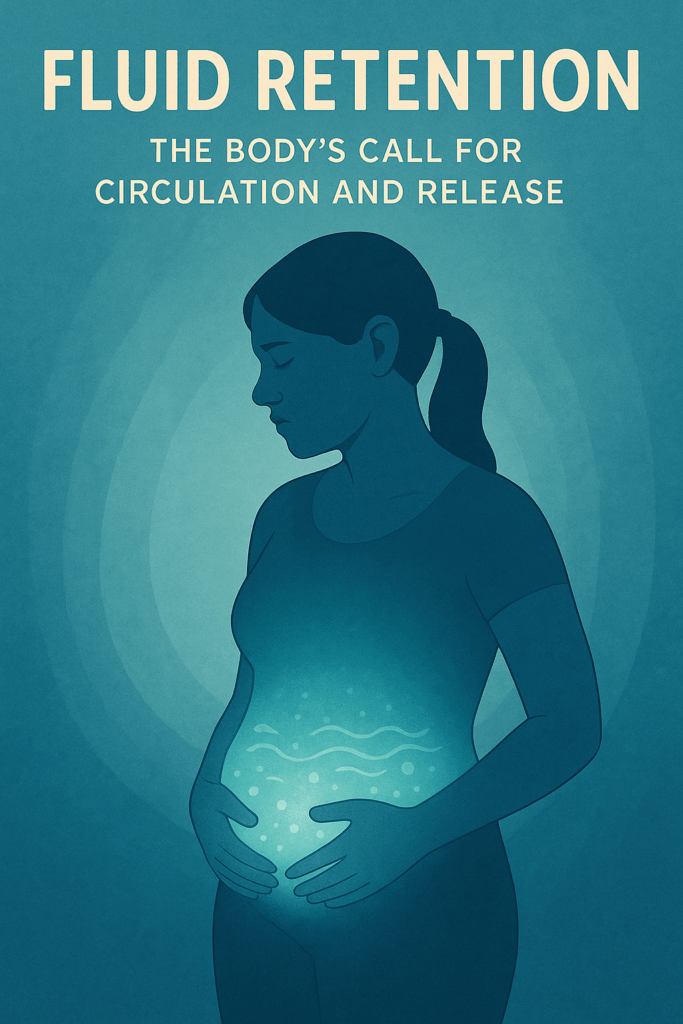
Fluid retention, also called oedema, is swelling caused by fluid building up in the body’s tissues. It commonly affects the ankles, feet and legs, although it can occur elsewhere.
There are many possible reasons for oedema. Some are relatively simple, such as sitting or standing for long periods, high salt intake or certain medicines. Others involve the veins, thyroid, kidneys, liver or heart, and sudden one-sided swelling can sometimes be associated with a blood clot. For that reason, persistent or unexplained swelling should not automatically be assumed to be a detoxification response.
What Is Fluid Retention?
Fluid constantly moves between the bloodstream and surrounding tissues. The circulatory system, lymphatic system and kidneys all help regulate this balance. Oedema develops when more fluid enters the tissues than is being returned or removed.
Typical signs can include puffiness, tight or shiny skin, heaviness, stiffness and an indentation that remains briefly after pressing the swollen area.
Common Causes of Oedema
- standing or sitting in one position for long periods
- high salt intake
- pregnancy
- certain medicines
- varicose veins or circulation problems
- thyroid problems
- injury or infection
- kidney, liver or heart problems
- a blood clot
The Natural Hygiene Perspective
Natural Hygiene places strong emphasis on circulation, movement, rest, hydration and reducing unnecessary dietary and lifestyle burdens. Within that framework, fluid retention may be viewed as a sign that the body’s normal fluid-management systems are under strain rather than as an isolated problem to suppress.
This perspective can be useful for thinking about supportive habits, but it should not replace finding the actual cause of persistent or unexplained swelling. Oedema is a symptom with many possible causes, and the appropriate response depends on what is producing it.
Movement and Circulation
The lymphatic system does not have a central pump like the heart. Muscle movement and breathing help move lymph through the body. Long periods of inactivity can therefore contribute to fluid pooling, especially in the legs.
Gentle walking, changing position regularly and elevating the legs when appropriate can help improve circulation. The NHS also recommends avoiding prolonged sitting or standing and using gentle exercise where suitable.
Food, Salt and Hydration
Salt can contribute to fluid retention in some people, so reducing heavily salted and highly processed foods may be helpful. A diet based around fresh, minimally processed foods also tends to reduce excessive sodium intake naturally.
Hydration should be appropriate to the individual. Drinking excessive amounts of water is not a treatment for oedema, particularly when heart or kidney disease may be involved. Anyone who has been given a fluid restriction or specific medical advice should follow that guidance.
What About Fasting?
Natural Hygiene traditionally uses periods of digestive rest and fasting in some circumstances. However, unexplained oedema should be assessed before using fasting as a self-treatment because swelling can sometimes reflect heart, kidney, liver, vascular or medication-related problems. The cause matters.
When Swelling Needs Medical Attention
Seek urgent medical advice if swelling is severe, painful, begins suddenly, affects only one leg without an obvious reason, or the area becomes red or hot. Immediate emergency help is needed if swelling occurs with shortness of breath, chest pain or tightness, coughing up blood, faintness or confusion.
If swelling in both legs or ankles persists for several days, gets worse, or you already have a condition affecting your heart, kidneys or veins, arrange a medical review.
Supporting Healthy Fluid Balance
Where serious causes have been excluded, the basics remain important: regular movement, adequate rest, appropriate hydration, less heavily processed food, avoiding long periods in one position and maintaining healthy circulation. The aim is not simply to make swelling disappear, but to understand why the fluid is accumulating in the first place.
Frequently Asked Questions
Is fluid retention the same as oedema?
Yes. Oedema is the medical term commonly used for swelling caused by excess fluid in the tissues.
Can sitting too long cause swollen ankles?
Yes. Remaining in one position for long periods can contribute to fluid pooling in the lower legs and ankles.
Can salt make oedema worse?
High salt intake can contribute to fluid retention in some people, although oedema has many possible causes.
Should unexplained oedema be ignored?
No. Persistent, sudden or unexplained swelling deserves assessment because it can occasionally signal an underlying medical problem.
Toxaemia, Vital Economy and Fluid Balance
Natural Hygiene’s concern with toxaemia and elimination makes fluid balance relevant to the wider terrain, but oedema should not be described simply as toxic water trapped in tissues. Fluid distribution is regulated through blood vessels, lymphatics, kidneys, hormones, proteins and local tissue pressures. Vital Economy adds the question of present capacity, particularly when heart, kidney, liver or circulatory function is under strain.
The Observation and the Interpretation
The observation is excess fluid accumulating in tissue spaces because the normal balance of filtration, return, lymphatic drainage or fluid regulation has changed. Natural Hygiene interprets this within the wider terrain of circulation, movement, nourishment, hydration, elimination, enervation and recovery.
What goes beyond the evidence is assuming that all swelling is deliberate detoxification or that fasting will simply drain stored toxins from the tissues. Swelling is information; understanding why the fluid is accumulating matters.
Related Reading
Reference: NHS – Swollen ankles, feet and legs (oedema)
Explore Further
Want Personal Guidance?
If you would like help looking at your health history, diet and lifestyle from a Natural Hygiene perspective, you can complete the free NBI health questionnaire. Your answers provide useful background for deciding whether personalised guidance may be appropriate. Persistent, sudden or unexplained swelling should still be assessed appropriately.